Potter Highlands Historic District
The Potter Highlands Historic District, designated in 1987, covers the northern Victorian core on Vallejo and Zuni Streets, and is where exterior equipment needs the most care.
Highland is high ground above the river, old brick below and new glass beside it. We work the 1890s-1930s Victorians, bungalows and Denver Squares of Highland proper, from the Potter Highlands blocks to the LoHi streets at the eastern edge, where new townhomes and condos sit beside 1905 brick. Call (720) 806-7634 and tell us what your system is doing.
Call (720) 806-7634 and tell us what is happening. We are open 24 hours, 7 days a week.
Call Now (720) 806-7634 → No spam. No obligation. Just practical help.Highland is high ground above the South Platte — the name is literal — with most homes built between 1893 and 1939: Victorian and Queen Anne brick, Craftsman bungalows, Denver Squares. In the last two decades, glass-and-steel townhomes have joined them, especially in LoHi, the eastern portion closest to downtown. Old brick and new glass need different systems on the same block.
High ground, old brick, new glass. These are the three patterns we see most here.
The hilltop sun, the landmark-district rules on what can go on the outside of the house, and a 1905 Denver Square whose top floor needs a ductless head, not a bigger furnace.
How we help: We plan condenser placement with the Potter Highlands review process in mind, and we give the top floor its own control rather than asking the old system to do more.
A 1905 brick Victorian can share a fence with a glass-and-steel townhome, and no single system recommendation is honest for both.
How we help: We look at the house in front of us, not the block, and we size for its era, its ducts and its glazing.
The elevated perch increases wind exposure and makes west and southwest-facing glass a solar-gain issue, especially in the LoHi blocks at the eastern edge.
How we help: We size cooling for the glass and the exposure, and we check that outdoor equipment is set for wind and drainage on the hillside lots.
Victorian top floor never cools down
A new townhome that overheats from glass and volume
Furnace runs but the house never reaches the thermostat setting
A musty smell from a finished basement on a hillside lot
Radiators stay cold in some rooms
Highland is the hill above the river, and the river is the landmark below. We use Federal Boulevard and Speer Boulevard as the main corridors, and the Potter Highlands blocks as the historic core.
The Potter Highlands Historic District, designated in 1987, covers the northern Victorian core on Vallejo and Zuni Streets, and is where exterior equipment needs the most care.
The river runs below Highland to the southeast, and the high ground above it is the reason flood risk is low here while the views are wide.
Speer Boulevard is the southern boundary and the main corridor for calls on the neighborhood's southern blocks.
Federal Boulevard is the western boundary and the main north-south corridor for Highland calls.
These are the blocks and corridors we serve most often in Highland. Nearby areas may also qualify—call if you do not see yours.
Highland blocks around Potter Highlands, the LoHi streets at the eastern edge and the hillside streets above the river.
Lion Tech Home Services holds a 5.0-star rating from 11 Google reviews.
Lion Tech Home Services can help if your question is not answered here.
Call (720) 806-7634 →No. LoHi, or Lower Highland, is the non-official eastern portion of Highland, closest to downtown. West Highland and Sloan Lake are separate official neighborhoods. This page covers Highland proper, including the LoHi blocks at its eastern edge.
The 1890s–1930s brick homes were heated, not cooled, and the upper floors were never part of the cooling plan. A wall head upstairs usually does the job, rather than a bigger system downstairs.
The Potter Highlands Historic District dates to 1987, and visible exterior changes — condenser placement included — generally need Landmark Preservation design review. Placement gets planned with that process in mind and verified per address.
New glass-and-steel townhomes have volume and glazing that a standard system was not designed for. Sizing follows the glass and the exposure, and zoning gets talked through for the hottest rooms.
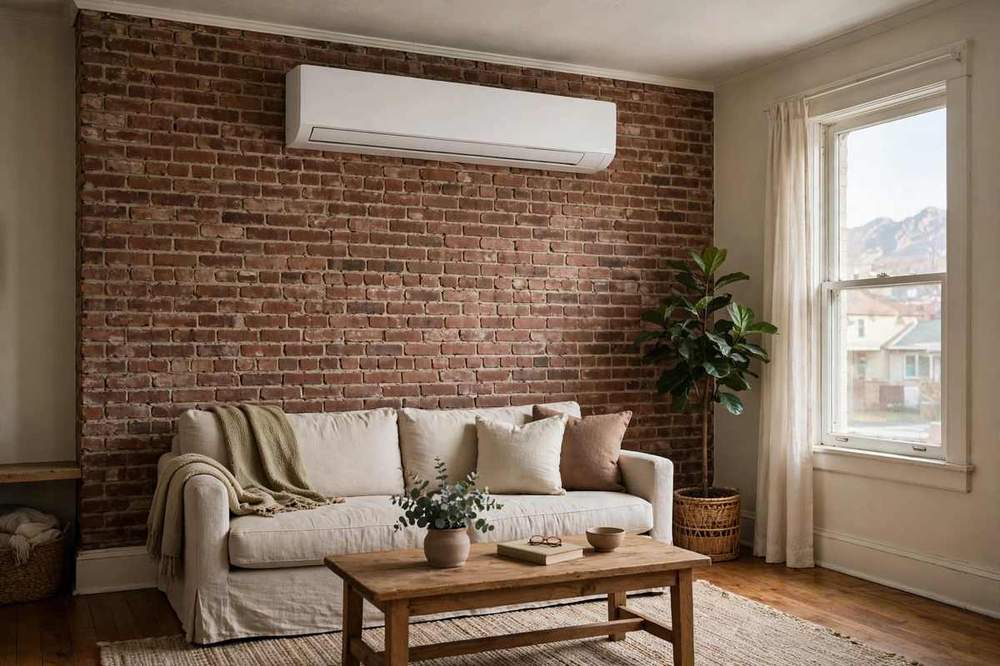
A Victorian top floor that never cools, or a new townhome that overheats from glass? Call Lion Tech Home Services at (720) 806-7634. We are open 24 hours, 7 days a week.
Lion Tech Home Services, Denver — call (720) 806-7634, open 24 hours.